



Short De
Hunan Huir Biological-tech Co.,Ltd is a proffessional manufacture produce Horse Chesnut Extract20%/Professional manufacture supply natural50%,Horse Chesnut Extract98% in china for more than 6 years.
Details De
Product Name:Horse Chestnut P.E.
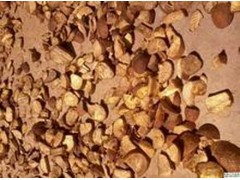
Original Plant:Seed of Aesculus chinesis Bge.
Specification:20%~98% Aescin
Test Method:UV
Appearance:yellow-brown to white powder
Molecular Formula:C55H86O24
Molecular Weight:1131.26
CAS No.:6805-41-0
Pharmacology Action:
1)It has demonstrated a variety of beneficial effects including anti-inflammatory, antioxidant, antiedema, venotonic
2)Published studies show alleviation of subjective symptoms of venous insufficiency such as pain, tiredness, tension or heaviness in the legs.
Product introduction:
Horse Chest Nut extract powder is extracted from aesculus hippocastanum, also name as Horse chest nut,originally growed in Iran, the north of India, Balkan area of the European. Now it spreaded all over the world because of the beautiful appearance. There are also abounding resources in China, it distributed in Shaanxi, Sichuan, Guangdong, Hunan provinces ad so on.
Aescin or escin is a mixture of saponins with anti-inflammatory, vasoconstrcitor and vasoprotective effects found in Aesculus hippocastanum (the horse chestnut). Aescin is the main active compound in horse chestnut extract, and is responsible for most of its medicinal properties. Horse chest Nut appears to produce effects through a wide range of mechanisms. It induces endothelial nitric oxide synthesis by making endothelial cells more permeable to calcium ions, and also induces release of prostaglandin F2α. Other possible mechanisms include serotonin antagonism and histamine antagonism and reduced catabolism of tissue mucopolysaccharides.